

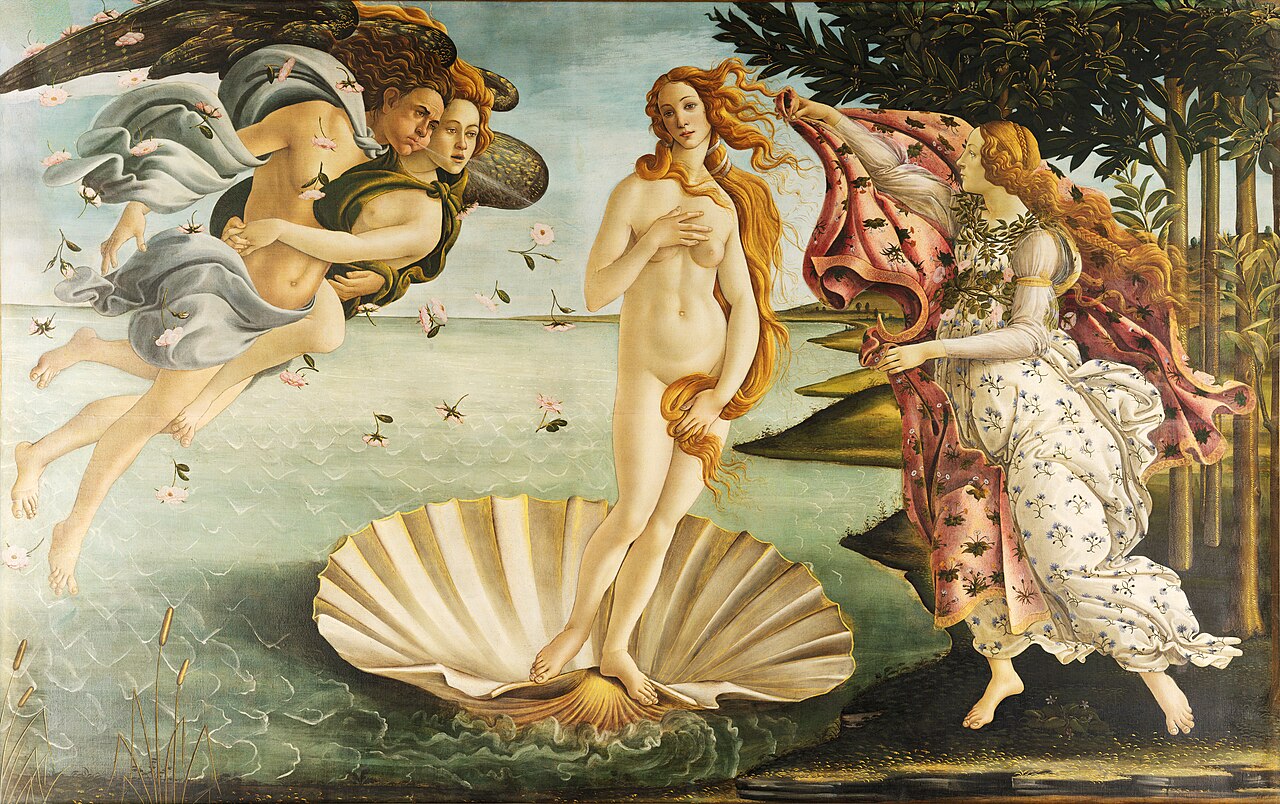
LONDON – April 15, 2026 – A new AI study has attempted to answer in seconds a question that art critics and experts have debated for centuries: what is the world’s most beautiful painting?
To celebrate World Art Day, creative data provider DAIVID switched the focus of its AI platform from advertising to art, ranking the world’s most iconic artworks and offering a data-led perspective on one of art’s most debated questions.
Trained on tens of millions of human responses to predict rich emotional responses to visual stimuli, the study pulls on all 39 of DAIVID’s emotional classifications, but starts with the obvious question of beauty.
At the top of the ranking is The Birth of Venus by Sandro Botticelli, which generated the highest aesthetic appreciation score of the 100 masterpieces put through DAIVID’s AI platform. It was followed closely by Girl with a Pearl Earring by Johannes Vermeer and The Baptism of Christ by Piero della Francesca in second and third places respectively.
Other artworks to make the top 10 include Leonardo da Vinci’s Mona Lisa (joint fourth), Raphael’s The School of Athens (sixth) and Botticelli’s The Adoration of the Magi.
The ranking is part of a broader study carried out by DAIVID, which also looked at broader emotional patterns in how audiences emotionally respond to art.
Other findings include:
> Works that spark multiple, sometimes conflicting feelings, such as awe combined with sadness, are more likely to be discussed, exhibited and reproduced than those with more simple emotional profiles. These include the Mona Lisa, van Gogh’s Starry Night and The Two Fridas, by Frida Kahlo.
> Renaissance and Impressionist works top the charts for aesthetic appreciation. Romanticism and Modernism score highest for horror, mirroring the turbulence and catastrophe often depicted in their subjects. Meanwhile, Baroque works display the widest emotional range;
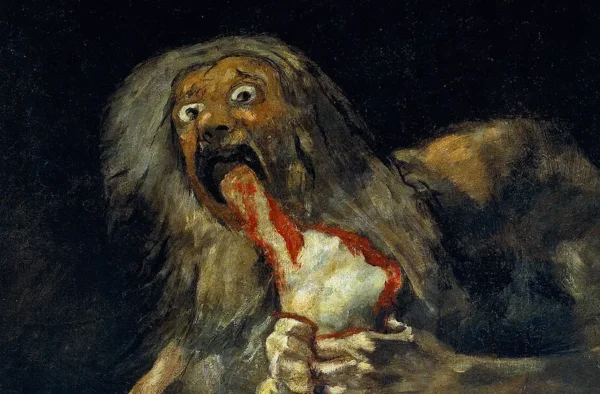
> Edvard Munch’s The Scream and Francisco Goya’s Saturn Devouring His Son (below) generated the highest horror scores;
> Of the 39 different emotions measured by DAIVID’s AI technology, calmness emerged as the third highest-scoring emotional response, suggesting that even challenging works can generate a sense of reflection over time.
Barney Worfolk-Smith, Chief Growth Officer at DAIVID, said: “Beauty has always been regarded as subjective and difficult to define. This analysis suggests that there are consistent, measurable patterns in how audiences respond to visual art. These findings help explain the enduring relevance of certain works and have implications for understanding creative effectiveness more broadly.”
To find out more, click here.