

It’s the end of the World Cup as we know it (and I don’t feel particularly fine). Some things never change. FIFA did their best to ruin it, Leo Messi lit up the tournament once again and England discovered a fresh new method of psychological torture to inflict on its long-suffering supporters.
Football’s not coming home. It can’t even find the postcode.
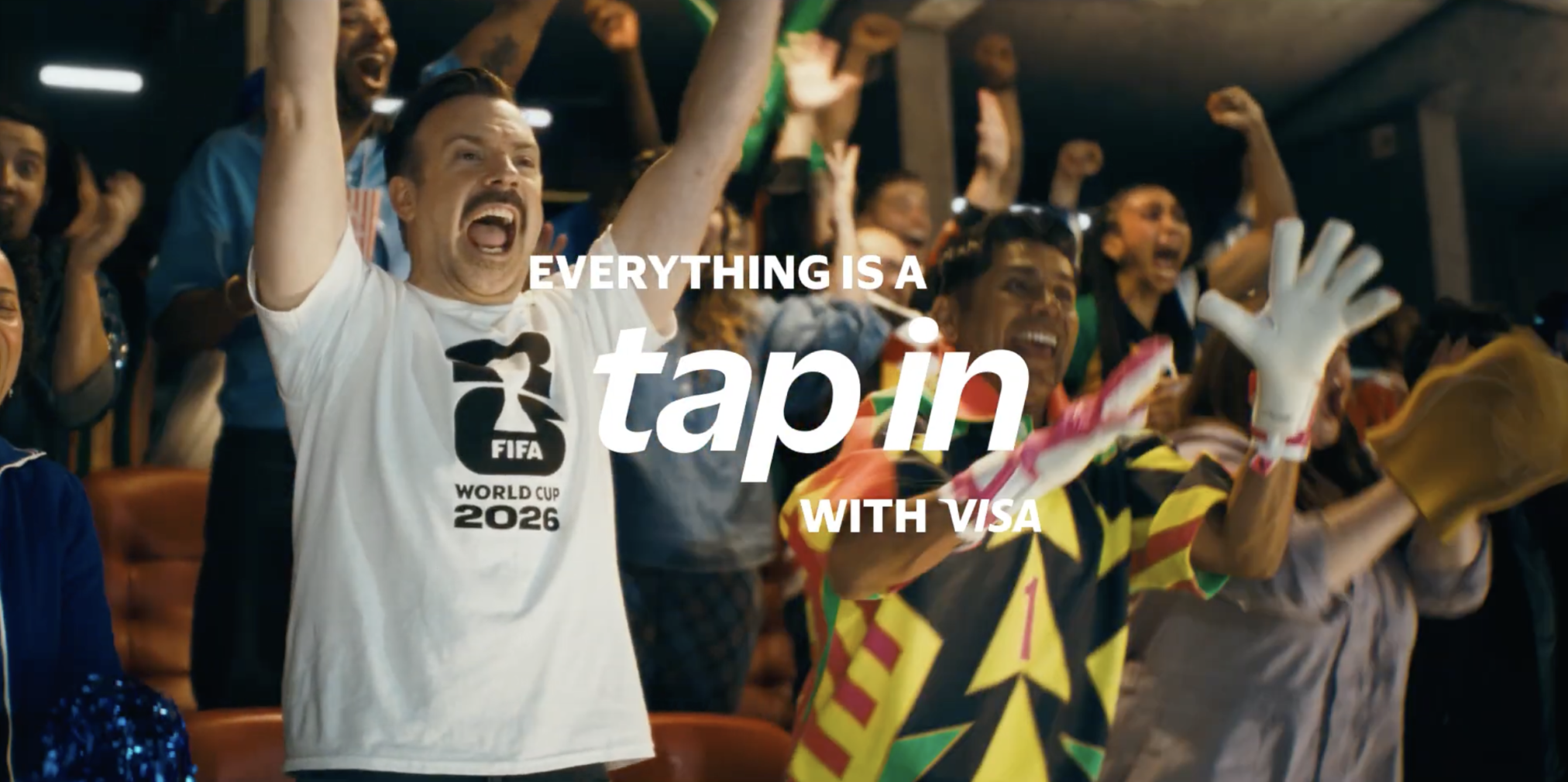
Another familiar fixture of every World Cup is the arguments over sponsorship rights and whether it’s worth the investment for brands. You see it every four years. The brands that paid billions for the privilege of being there versus the brands that simply turned up and somehow managed to look like they belonged there. Sometimes buying the biggest seat in the stadium doesn’t mean you get the loudest cheer.
But how did this year’s sponsors fare? Did they justify the eye-watering investment? Or did the ambush marketers once again find a way to muscle onto the pitch and nick a goal without paying FIFA a penny?
To find out, we painted our AI-powered creative data platform’s face, handed it an inedible ‘meat’ pie and a mug of Bovril and sent it off to analyse the ad performance of World Cup sponsors and non-sponsors.
Our creative intelligence platform predicts how people will respond to advertising by measuring attention, emotional engagement and brand impact. Trained on tens of millions of human responses to ads, it can predict creative effectiveness and how it translates into business outcomes in seconds, without relying on audience panels.
So, did World Cup sponsors lift the trophy, crash out in the group stage or score the greatest own goal? Let’s kick off.
Challenger brands did not just turn up, they won hearts and grabbed attention
And when it came to creative performance, the challengers weren’t just making up the numbers.
Ads from brands without official sponsorship rights generated stronger positive emotions and higher attention than ads from official sponsors.
The brands that didn’t have the badge found other ways to make an impact, proving that tournament attention isn’t reserved exclusively for those who pay for the privilege.
Non-sponsors played the long game
But the two groups weren’t playing the same game.
Official partners leaned into the energy and excitement of the tournament, using humour (+17%), excitement (+16%), nostalgia (+7%) and cravings (+19%) to create immediate emotional responses. That helped them generate stronger purchase intent (+3%), suggesting sponsorship assets can be particularly powerful for driving short-term action.
Non-sponsors took a different route. Without official tournament assets, they focused on empathy-based, deeper emotional storytelling, outperforming sponsors on long-term brand-building emotions, including gratitude (+22%), calmness (+13%), adoration (+12%), warmth (+12%), trust (+15%) and hope (+8%).
In other words, the sponsors created moments. The challengers created long-term connections.